Cats are wonderfully independent companions, but they still need proper care to thrive. Whether you're a new cat parent or looking to improve your current routine, these practical tips will help you keep your feline friend healthy, happy, and content. Let's dive into the essentials every cat owner should know!
1. Provide Fresh Water Daily and Consider a Water Fountain
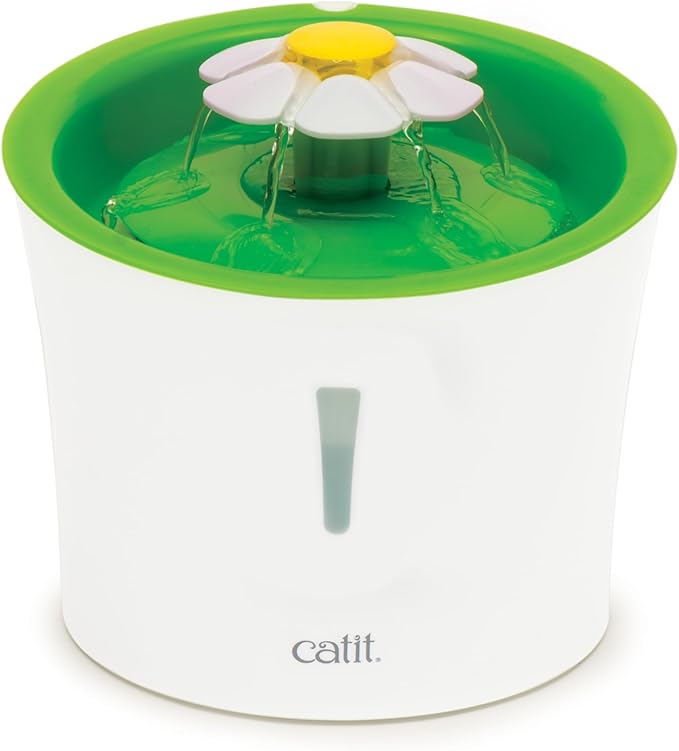
Increasing water intake is recommended for cats with urolithiasis or idiopathic cystitis.[1] Keep multiple water bowls around your home, and a cat water fountain is worth trying if your cat likes it. One small study found that a fountain did not substantially increase water intake compared with a bowl.[1] Evidence: limited Change the water at least once daily, and clean the bowls regularly to prevent bacteria buildup. Food is the other half of this: the Cornell Feline Health Center notes that dry food is 6 to 10 percent water while canned food is at least 75 percent, which is why a wet meal counts as a genuine water source and not just a treat.[2]
2. Feed High-Quality, Species-Appropriate Food

Your cat's diet is the foundation of their health, so choose food with high protein content and minimal fillers. Look for options like grain-free wet food or premium dry kibble that list meat as the first ingredient. Consult your vet about the best caloric intake for your cat's age, weight, and activity level.
3. Establish a Regular Grooming Routine

Regular brushing prevents matting, reduces shedding, and helps you spot skin issues early. Long-haired cats especially benefit from slicker brushes or undercoat rakes, while short-haired cats do well with rubber grooming mitts. Regular grooming also creates bonding time and can make nail trimming and vet visits less stressful.
4. Nail Trimming Every 2-3 Weeks

Overgrown nails can cause pain and furniture damage, making regular trimming essential. Use sharp cat nail clippers and trim just the clear part of the nail, avoiding the pink quick inside. If you're nervous, your vet or a groomer can show you the technique, or you can bring your cat in for professional trims.
5. Create an Enriched Environment with Vertical Spaces

Some cats like places to climb and perch, and a cat tree or wall-mounted shelves is one way to offer that. Rotate toys and refresh their environment monthly to keep them mentally stimulated and prevent boredom.
6. Keep the Litter Box Clean and Accessible

A dirty litter box can put a cat off using it, leading to house-soiling issues. Scoop daily and do a full litter change weekly using quality clumping litter or natural alternatives if your cat has sensitivities. The rule of thumb is one litter box per cat plus one extra, placed in quiet, accessible areas away from food and water. The ASPCA lists an uncleaned box and too few boxes among the common reasons a cat eliminates outside the box.[3] When a cat stops using the box, underlying medical disease should be addressed before a behavioral diagnosis.[4] For the practical side, see our guides on how to clean a cat litter box, how to litter train a cat or kitten and why a cat pees outside the litter box.
7. Schedule Annual Veterinary Checkups
Regular vet visits catch health problems early and keep vaccinations up to date. This is non-negotiable for a long, healthy life. Even if your cat seems fine, annual exams can detect dental disease, thyroid issues, or early kidney problems that cats hide naturally. Kittens and senior cats may need more frequent checkups; ask your vet how often.
8. Provide Interactive Play and Mental Stimulation Daily

Aim for 10-15 minutes of active play twice daily using interactive wand toys, laser pointers, or automated toys to keep your cat exercised and engaged. Mental stimulation through puzzle feeders and hide-and-seek games prevents behavioral problems and obesity. Different cats have different prey preferences, so experiment to find what gets your cat's hunting instincts firing.
9. Maintain Dental Health with Regular Brushing

Periodontal disease affects over 80% of dogs and cats by three years of age, so regular brushing is worth building into the routine.[5] Even a few times per week makes a difference. Use cat-specific toothpaste and a soft brush, and make it a positive experience with treats and praise. Many vets also recommend dental diets and water additives to support oral health between brushings.
10. Monitor Weight and Adjust Portions as Needed

Obesity in cats raises the risk of diabetes, osteoarthritis and other conditions, and can compromise life expectancy.[6] Evidence: limited Measure portions carefully using a kitchen scale, and talk to your vet if your cat seems overweight. They can recommend appropriate calorie targets. Use low-calorie treats during training, and remember that most cats do better with multiple small meals throughout the day.
Related guides worth reading next: Best Cat Water Fountains: 5 Top Picks to Keep Your Cat Happily Hydrated, Catit Water Fountain Review: The 5 Best Models Tested, and Best Cheap Cat Litter in 2026: Budget Picks That Work.